Can Dogs Eat Broccoli Safely? Benefits, Risks, and Feeding Tips
Author:sana
Released:March 13, 2026
Broccoli is good for you—crunchy, full of vitamins, the whole deal. But can dogs eat it? Short answer: yes. The real question is how much and in what form.
Toss your dog a floret or two from dinner? Fine. Broccoli isn't toxic in small amounts. But it does have compounds that can upset their stomach if you go overboard. So share the broccoli, just keep it small.
Why Broccoli Is Good for Dogs (The Nutritional Benefits)
When given correctly, broccoli can serve as a low-calorie, nutrient-dense snack. It is naturally low in fat, which makes it an excellent alternative to fatty processed treats, especially for dogs who need to maintain a healthy weight. According to nutritional data, half a cup of chopped broccoli contains approximately 23 calories, meaning you can offer this treat without worrying about unnecessary weight gain.
Beyond its low-calorie nature, broccoli is rich in vitamins and minerals that support various functions in a dog's body. It provides significant amounts of Vitamin C, which acts as an antioxidant and supports the immune system, as well as Vitamin K for blood health, and fiber for digestive regularity. In addition, broccoli contains beta-carotene, Vitamin B6, calcium, phosphorus, magnesium, and selenium.
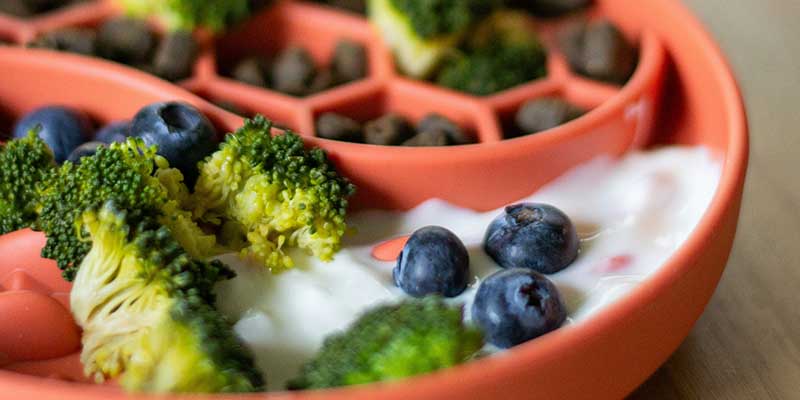
One of the most interesting compounds found in broccoli is sulforaphane. This molecule is believed to help activate antioxidant enzymes in a dog's body, potentially helping to flush out cancer-causing toxins and reduce inflammation that can lead to joint discomfort and arthritis.
The Specific Risks: What Pet Owners Often Miss
For all its benefits, broccoli is not a vegetable you can feed freely. The primary concern lies in a group of naturally occurring compounds called isothiocyanates, which are found in the florets of the vegetable. While these compounds contribute to the health benefits in humans, they can cause mild to severe gastric irritation in a dog's digestive system.
Here are the specific risks associated with overfeeding broccoli:
Digestive Upset and Gas
Broccoli is a cruciferous vegetable, meaning it contains complex sugars and fibers that ferment in the gut. This fermentation process often leads to flatulence and bloating. In some dogs, excessive gas can be more than just smelly; significant bloating can be dangerous and may signal gastrointestinal distress.
Choking Hazards and Obstruction
The stalks of broccoli are hard and fibrous. If a dog swallows a large piece without chewing properly, it can become lodged in the throat or esophagus. Furthermore, large, raw chunks can create a digestive blockage requiring surgical intervention. Even the stems are safer when cooked and cut into bite-sized pieces.
Toxicity Threshold
This is the most critical number to remember. According to AKC Chief Veterinary Officer Dr. Jerry Klein, DVM, broccoli is considered safe if it makes up less than 10% of a dog's daily food intake. However, if that percentage rises to 25% or more, the isothiocyanates can reach toxic levels. This would require a massive amount of broccoli in a single sitting, but for small breeds, the toxic dose could be reached much faster.
Thyroid and Anemia Risks (Long-term)
For dogs with existing thyroid issues, caution is advised. In extremely high, chronic consumption levels, cruciferous vegetables can depress thyroid function. There is also a very rare risk of hemolytic anemia associated with overconsumption of these vegetables, although this is generally linked to severely excessive amounts.
The 10% Rule: How Much Broccoli Can a Dog Eat?
The safest rule of thumb for feeding broccoli is the "10% rule." Treats of all kinds should make up no more than 10% of your dog's daily caloric intake. This ensures that 90% of their nutrition comes from balanced, complete dog food.
Here is a practical breakdown for portion sizes based on weight:
Toy Breeds (under 10 lbs/4.5 kg): 1 to 2 small, bite-sized florets (approximately 1 tablespoon total).
Small Breeds (10-20 lbs/4.5-9 kg): 2 to 3 small florets (approximately 2 tablespoons).
Medium Breeds (20-50 lbs/9-22 kg): 5 to 6 small florets (approximately 1/4 cup).
Large Breeds (50-90 lbs/22-40 kg): A small handful, roughly 8-10 florets (approximately 1/3 cup).
Giant Breeds (90+ lbs/40+ kg): A larger handful, up to 12 florets (approximately 1/2 cup).
For dogs on a weight loss plan, vegetables like broccoli can be used to add bulk to meals without adding many calories. Replacing 10% of their normal food with steamed broccoli or green beans can help a dog feel fuller for longer without causing weight gain.
Can Puppies Eat Broccoli?
Generally speaking, it is best to avoid feeding broccoli to puppies. A puppy's digestive system is still developing and is much more sensitive than an adult's.
The high fiber content in broccoli can be difficult for them to process, often leading to diarrhea or vomiting. If you want to give your puppy a vegetable treat, stick to softer, easier-to-digest options like canned pumpkin or pureed carrots until they reach adulthood.
Special Considerations for Senior or Sensitive Dogs
Older dogs and those with known digestive sensitivities require extra caution when introducing broccoli.
Start with Very Small Amounts
For a senior dog, begin with just one or two tiny pieces. Observe them over the next 24 hours for signs of loose stool or excessive gas.
Prioritize Cooking
Raw vegetables are harder to break down. For a senior dog, the fiber in raw broccoli can be abrasive to an aging gut. Steaming or boiling until very soft is the best way to prepare broccoli for older pets.
Watch for Preexisting Conditions
Dogs with a history of pancreatitis, inflammatory bowel disease, or kidney issues may not tolerate broccoli well. Always consult your veterinarian before adding any new food to the diet of a senior dog or a dog with chronic health conditions.
How to Safely Prepare Broccoli for Your Dog
Preparation is just as important as portion size. You want to maximize digestibility while minimizing danger.
Wash and Rinse
Always wash the broccoli to remove pesticides or dirt.
Cooking is Preferred
While raw broccoli is safe, cooked or steamed broccoli is much easier for dogs to digest. Heat breaks down the plant cell walls, making the nutrients more bioavailable and reducing the work required by the dog's stomach.
Avoid Additives
Never serve broccoli that has been prepared with butter, garlic, onion, salt, cheese sauces, or oils. Garlic and onions are toxic to dogs, and excess fats can cause pancreatitis.
Cut into Small Pieces
Cut the broccoli into uniform, bite-sized cubes roughly the size of your dog's regular kibble. This prevents choking and helps the digestive system break it down efficiently.
Homemade Broccoli Dog Treat Recipes
If your dog enjoys the taste, incorporating broccoli into homemade treats is a great way to serve it.
Simple Steamed Broccoli Chips
Steam broccoli florets until tender. Spread them on a baking sheet and dehydrate in the oven at the lowest temperature (170°F/75°C) for 2-3 hours. This creates crunchy, nutritious "chips" that will keep for several days in an airtight container.
Chicken, Broccoli & Carrot Bites
Combine 1/2 cup cooked chicken (shredded), 1/2 cup steamed broccoli (chopped fine), and 1/4 cup cooked brown rice. Add 1/4 cup oat flour and one egg to bind. Mix well, roll into small balls, and bake at 350°F (175°C) for 15-20 minutes until golden brown. These treats are packed with lean protein and fiber.
Broccoli Cheddar Biscuits (Low-Fat)
Mix 1 cup finely chopped steamed broccoli with 1 1/2 cups whole wheat flour and 1/2 cup shredded low-fat cheddar cheese. Add water gradually until a dough forms. Roll out, cut into bone shapes, and bake at 350°F (175°C) for 25 minutes. These are excellent for training rewards as they are filling and flavorful.
Vegetable Alternatives to Broccoli
If your dog experiences gas or refuses to eat broccoli, several other vegetables offer similar nutritional benefits with less risk of digestive side effects:
Green Beans: Extremely low in calories, high in fiber, and easier to digest. They are often recommended by vets for overweight dogs.
Carrots: Rich in beta-carotene for eye health and naturally sweet. They also help scrape plaque off teeth when given raw.
Cucumbers: Almost entirely water, making them a low-calorie hydrating snack.
Celery: Contains vitamins A, C, and K, with a satisfying crunch.
Cooked Sweet Potato: Excellent source of beta-carotene and fiber, but must be served cooked (never raw).
Which Parts of Broccoli Should You Avoid?
Not all parts of the broccoli plant are equal when it comes to safety.
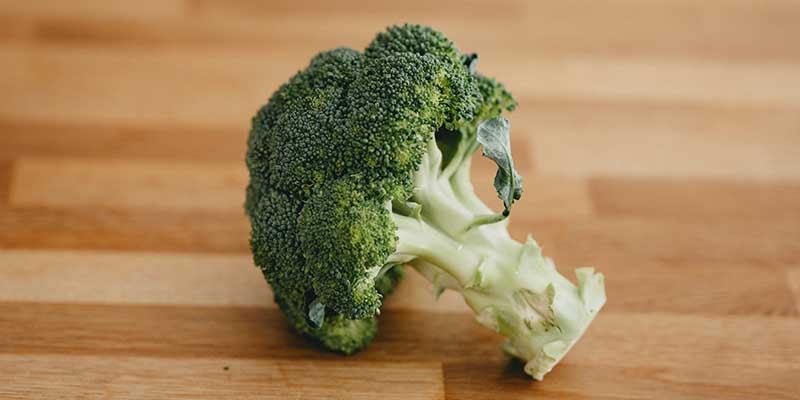
The florets (the green fluffy tops) are the primary location for isothiocyanates. While small amounts are fine, this is the part that causes gastric irritation if overfed.
The stalks are generally safer regarding isothiocyanates, but they are much harder and pose a higher choking risk. They also contain more indigestible fiber. If you feed the stalk, it must be peeled, cooked thoroughly until soft, and cut into tiny pieces.
The leaves of the broccoli plant are generally safe but tough. Most dogs will ignore them anyway.
What to Do If Your Dog Eats Too Much Broccoli
If your dog manages to steal a large quantity of broccoli from the counter or the trash, you need to watch for specific signs of toxicity or gastric distress.
Monitor for 24 hours
Watch for vomiting, diarrhea, loss of appetite, and lethargy. If your dog is a small breed and has consumed a large head of broccoli, call your vet immediately.
Do Not Induce Vomiting Unless Told To
Do not induce vomiting at home without consulting a veterinarian. Sometimes the sharp edges of the broccoli stalks can cause damage coming back up. It is better to let the vet decide the best course of action.
Provide Water
Ensure your dog has access to fresh water. If they are experiencing diarrhea, staying hydrated is crucial to preventing secondary issues.
Quick Questions About Broccoli and Dogs
Can dogs eat broccoli every day?Technically yes, but only if it remains under the 10% daily calorie limit. However, for the sake of variety and to prevent accidental overconsumption, it is better to rotate broccoli with other safe vegetables like green beans or carrots.
Can dogs eat frozen broccoli?Yes, dogs can eat frozen broccoli, but with caution. Frozen pieces are extremely hard and can crack a dog's teeth. Thaw the broccoli completely before serving, or steam it from frozen to soften it.
Can dogs eat raw broccoli stems?They can, but it is not recommended. Raw stems are very fibrous and difficult to digest. They also present the highest choking risk of the entire plant. If you use the stem, cook it well and dice it very small.
Does broccoli cause gas in all dogs?Not all dogs, but many. Just like humans, some dogs have more sensitive digestive tracts than others. The complex sugars in broccoli ferment in the large intestine, producing sulfur-based gases, which result in the characteristic smell.
Why does my dog vomit after eating broccoli?Vomiting usually indicates that the portion was too large or the broccoli was not cooked thoroughly. It could also signal a piece was too large and caused a partial obstruction. If vomiting occurs, stop feeding broccoli and consult your vet if it continues.
The Bottom Line
Broccoli is a nutrient-dense vegetable that can be a healthy addition to your dog's diet, provided it is served correctly and in strict moderation. Rich in Vitamins C and K, fiber, and the powerful antioxidant sulforaphane, it supports immune function, digestive health, and may even offer anti-inflammatory benefits. However, it is not without risks.
The isothiocyanates in the florets can cause gastric irritation if consumption exceeds 25% of daily calories, while the fibrous stalks pose a choking hazard if not properly prepared. As with any treat outside your dog's normal kibble, the golden rule remains: less than 10% of total daily intake.
Always introduce new foods slowly, observe your dog's reaction, and when in doubt, err on the side of caution. A small, steamed, bite-sized piece of broccoli is a tasty reward; an entire head of it is a recipe for a call to the emergency vet.
Related Posts

Does Your Dog Love You? Probably More Than You Think

Lickable Cat Treats: Why Tube Snacks Have Become a Cat Household Obsession

Is Your Dog Cold? How To Tell If They Need a Coat

Homemade Cat Wand Toy Ideas That Keep Cats Engaged

How To Build A Consistent Wellness Checkup Routine For Cats